
Fricy vs Swicy: Which Fruity Spicy Hot Sauce Trend Is Better for Your Texas BBQ?
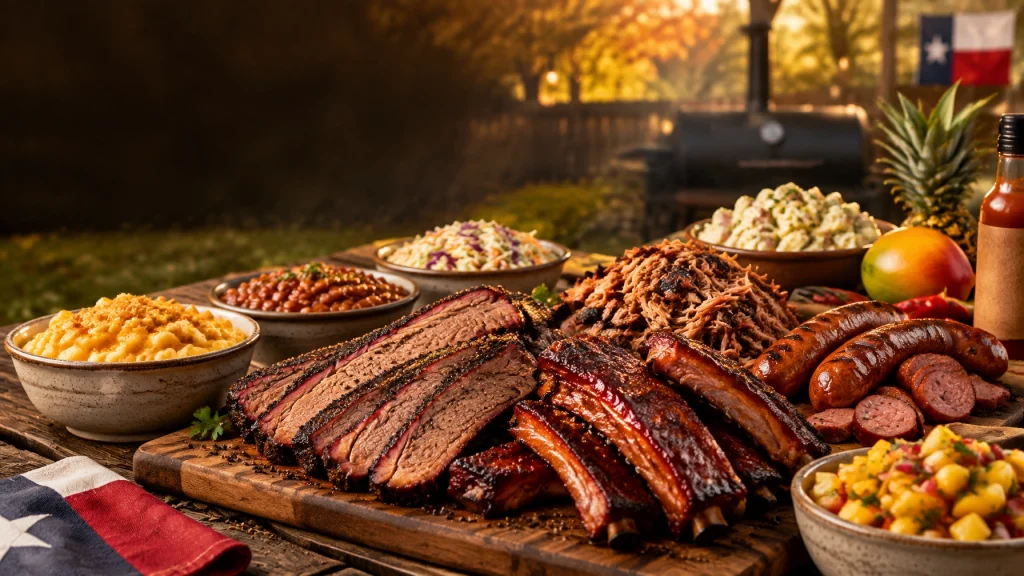
When the brisket is resting and the ribs are coming off the pit, the sauce question is a real one: do you want sweet heat, or heat with a fruit-forward edge?
That’s the difference between swicy and fricy. Swicy, sweet plus spicy, is the wider flavor family. Fricy, fruity plus spicy, is its more specific, fruit-led branch, and it’s the one drawing attention in 2026. Both can have a place at a Texas BBQ table. The better choice depends on what you’re serving and what you want the sauce to do.
Our guiding idea is simple: heat should carry flavor, never just burn. A good sauce brings out the character of the food instead of taking it over.
Swicy and fricy: what’s the difference?
Swicy describes the broad pairing of sweet and spicy flavors. The sweetness might come from sugar, honey, a glaze, or fruit; the heat might come from chile, pepper sauce, or a spice paste. The defining feature is the contrast: a little sweetness rounds out the heat, and the heat keeps the sweetness lively.
Fricy is the fruit-forward version. Mango and pineapple are leading the charge, but other fruits can bring their own distinct character. Mango often tastes lush and mellow beside a lively chile. Pineapple tends to bring a sharper, tangier sweetness. Either way, the fruit isn’t just a sweetener. It has a clear flavor of its own.
Think of it this way: all fricy combinations are swicy, but not all swicy combinations are fricy. A honey-and-chile glaze is swicy. Mango and habanero is both swicy and fricy.

Why the fricy trend is showing up at the table
The menu data suggests fruit and heat are more than a passing pairing. According to Datassential’s November 4, 2026 report, mango habanero is up 120% on U.S. menus over the past four years and has reached about 5% menu penetration. The broader sweet-and-spicy flavor profile appears on about 9% of U.S. menus, while the word swicy itself appears on less than 1%.
That distinction matters: diners may be choosing sweet-heat combinations without using the trend’s shorthand. Other signs point to growing interest in layered flavor, too. Spicy margaritas are up 123% on U.S. menus over four years, mango margaritas are up 35%, and gochujang has grown 32%. Pineapple and mango are the two fruits driving most fruit-and-heat launches.
For your BBQ, the useful takeaway isn’t that you need to chase every trend. It’s that people are enjoying more combinations where sweetness, fruit, and heat work together. Your own table can make that idea fit Texas barbecue.
Which style belongs with your BBQ?
Use this simple philosophy: match the sauce’s sweetness and fruit character to the richness of the food. Start with a small taste alongside the meat, then decide whether the pairing needs more fruit, more chile, or neither.
| What’s on the table | A good place to start | Why it works |
|---|---|---|
| Brisket | A restrained swicy touch; try fricy on the side | Brisket brings deep, savory flavor. A little sweet heat can complement it, while a small fruit-forward accent adds contrast without masking the smoke and beef. |
| Ribs | Swicy glaze or a fruit-forward dip | Ribs are natural partners for a touch of sweetness. If the rub and glaze are already sweet, keep extra fruit or heat on the side. |
| Pulled pork | Fricy | Tender pork and fruit make an easy match. Mango or pineapple can add a bright, tangy counterpoint to the meat’s richness. |
| Sausage | Either style, depending on the sausage | A smoky sausage can stand up to a bolder pairing. For a milder sausage, start with a small amount and let the pepper and meat stay in front. |
| Holiday sides | Choose based on the dish | A fruit-and-chile accent can brighten hearty sides; a straightforward sweet-heat profile may suit richer or more savory flavors. Keep the serving separate so everyone can choose. |
These are starting points, not rules. A smoky brisket with a peppery rub may welcome a bright fruit note, while ribs coated in a sweet glaze may be plenty swicy already. Taste the food first, then add the accent that’s missing.
A practical way to choose: the three-bite test
You don’t need to commit a whole platter to one sauce style. Try the same small bite three ways:
- Taste it plain. Notice the smoke, seasoning, richness, and any sweetness that’s already there.
- Add a little swicy sauce. Does the sweetness make the meat feel rounder, or does it crowd the rub?
- Try a fruit-forward accent. Does fruit brighten the bite and play well with the pepper, or does the pairing feel too sweet?
The key is to compare, not pile on. Start with a light touch, especially with a bold glaze or a hot sauce you haven’t tried before. For guests, put fruit-forward and sweet-heat options on the side. That way, people can choose their own level of sweetness and heat without changing the whole plate.

Let the hot sauce be the flavor base
Fricy and swicy are ways to think about a finished flavor, not rules for what every bottle has to taste like. A versatile handcrafted hot sauce can give you the peppery backbone for either style. Pair it with a fruit-forward sauce or condiment when you want fricy; use it alongside a sweeter glaze when you’re after swicy.
Our Texas Original brings fresh habanero, vegetables, lime, and balanced heat, with a touch of subtle sweetness. It’s made to add flavor as well as fire, so you can build around it rather than cover everything up. That’s the appeal of a thoughtfully made small batch hot sauce or artisan hot sauce: the pepper character can contribute to the dish, not just the burn.
It also gives you room to experiment with a gourmet hot sauce approach at home without turning dinner into a complicated project. If you want a reliable texas hot sauce on the table, choose one that plays well with what’s already on your plate. And if a fresh ingredient hot sauce is your starting point, keep the fruit accent separate and add it in a measured way.

Build a two-sauce table without overcomplicating it
If you’re feeding a crowd, you don’t need six bottles. A small spread of heat levels does the work of a whole shelf, and it lets every guest land somewhere they like.
Here’s how we’d set it up for a Texas BBQ:
- A mild, bright sauce first. Something jalapeño-based gives people an easy entry point and wakes up sausage, slaw, and holiday sides without competing with the smoke.
- A balanced habanero in the middle. This is the all-rounder and the one most plates will reach for. Habanero’s fruitiness is the natural bridge between the swicy and fricy sides of this whole conversation.
- A hot, pepper-forward bottle last. Carolina Reaper heat earns its place next to fatty brisket, ribs, and anything off the pit with a heavy bark, where it has real richness to cut through.
Label them if you want, or just line them up and let people taste their way across. The point isn’t to test anyone’s tolerance. It’s to give the table options so the food, not the fire, stays the star. That’s the same reason we keep our lineup small and our process hands-on in Katy: three heat levels done properly beats twenty done carelessly.
So, fricy or swicy?
Choose swicy when you want the familiar balance of sweetness and heat, especially if the fruit isn’t meant to be the main event. Choose fricy when you want mango, pineapple, or another fruit to bring its own bright flavor to the pairing.
For a Texas BBQ spread, you don’t have to pick only one. Offer a sweet-heat option for the ribs, a fruit-forward accent for pulled pork, and a flavorful pepper sauce that lets guests build their own balance. Our shop has Texas-made sauces for different heat preferences, and The Derringer 4 pack lets you choose a mix of Mild, Original, and Hot for the table.
The best pairing is the one that makes you want another bite. Keep the flavors bold, keep the heat in balance, and let the food shine.